- All


- Dessert Wine1
- Furmint1
- Hárslevelű1
- Koverszolo1
- Sargamuskotaly1
- Zéta1
- Chateau Pajzos1
- Hungary1
- Tokaj1
- Tokaj1
- 20161
- 500 ml1
- Charcuterie1
- Chocolate1
- Dessert1
- Premier Cru1
Chateau Pajzos
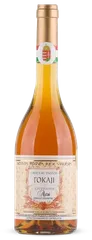
Chateau Pajzos is among the oldest and most respected wine producers in this storied region. In fact, it is one of the very few estates given the GRAND CRU classification. It has about 75 hectares in Tokaj. Chateau Pajzos is owned by a French company in Pomerol. Through my French connections, I have access to these wonderful dessert wines. The wines are mostly made from Furmint and Harslevelu grapes with a bit of Muscat Blanc, too. Lots of clay in the soil helps it to retain moisture. Combined with the sunshine, these grapes become overripe and contract the benevolent and desired Botrytis fungus (nobel rot). This dehydrates the grapes and leads to highly concentrated sugar levels in each dried berry (aszu). The flavors become luscious and sublime. Chateau Pajzos expertly marries traditional winemaking methods with modern techniques to fully take advantage of these legendary vineyards. These wines have been called the “nectar of the gods” as well as the “wine of kings”. They are undoubtedly some of the finest dessert wines on the planet. The estate is located in the heart of the Tokaji region, on slopes surrounding the famous wine village of Sárospatak. It was long acknowledged for having one of the finest vineyards of the region. Its volcanic, rocky soils ensure that the native varieties – Furmint, Muscat, Hárslevelu and Zéta – are both rich in natural acidity and concentration and the location between the Bodrog and Tisza rivers makes it ideal for attaining noble rot, indispensable for producing the sweet Aszú wines. The property is managed by Ronan Laborde and his winemaking team. In recent years, they optimized the vineyard to enhance the development of botrytis, essential for Aszú wines. They changed their pruning method to single guyot in order to reduce yields and advance ripening. Depending on the moisture content of the soil, it is either ploughed or left un-tilled; nets are placed in the fall over the botrytis-affected grapes to prevent them from being eaten by animals.